

Despite being an essential part of Christian identity and a ministry Jesus Himself conducted, the anointing for healing and deliverance is among the most misunderstood and underemphasized ministries in today’s Church. Scripture presents this anointing not as a niche calling reserved for a select few, but rather, as a core expression of the Kingdom – something that Jesus entrusted to each believer by way of the Great Commission. Still, today many Christians are in a place of hesitation regarding this area of ministry, or else they relegate it to sensationalism, failing to grasp its real intent which are the establishment of holistic restoration, the confrontation of spiritual darkness, and the revelation of the compassionate heart of God. Recovering a biblical, balanced understanding of this anointing is crucial if the Church is to embody the fullness of Christ’s mission in today’s world.

Since 2022, Rev Frank Lin has served as Bishop’s Chaplain to the Right Rev. Steven Abbarow, with a primary responsibility to advance the Anglican Revival Fire Ministry (ARFM) alongside Prayer-counseling, Healing, and Deliverance (PcHD). Actively supporting churches with deliverance ministry alongside other dedicated facilitators from the PcHD team, he has, since 2024, trained two batches in the region – 12 participants in a 10-day programme, later condensed to a 5-day format in September 2025 – covering 36 topics and conducting healing services. Witnessing the toll of COVID-19, including depression, illness, family crises, relational turmoil, and even demonic affliction, Bishop Steven nurtured a vision to bring healing and deliverance not only to Christians but to the wider community, a vision which Rev Frank is assisting in.

Rev Frank graduated from Seminari Theoloji Malaysia in 1998 and served as an ordained pastor at St. Michael’s Church, Kampung Tawas, Ipoh from 1998-2010. During this period, he oversaw the congregation’s growth from 70 to 200+ members while ministering extensively in the surrounding Ipoh area. He later served at St. Peter’s Church, Ipoh, from 2011-2018, ministering in multiple languages, particularly among the Orang Asli in Gopeng, Gua Musang, and Kampar, before moving in 2019 to Sunway Damansara Anglican Center, Kota Damansara, where he focused on revivals, training, and evangelism. Appointed in 2022 to work at the diocesan headquarters as Chaplain under Bishop Abbarow, he continues to lead with dedication, now approaching retirement in January 2026, while exploring the possibility of contributing annually thereafter. Recently, we interviewed him on this complex and often misunderstood subject.
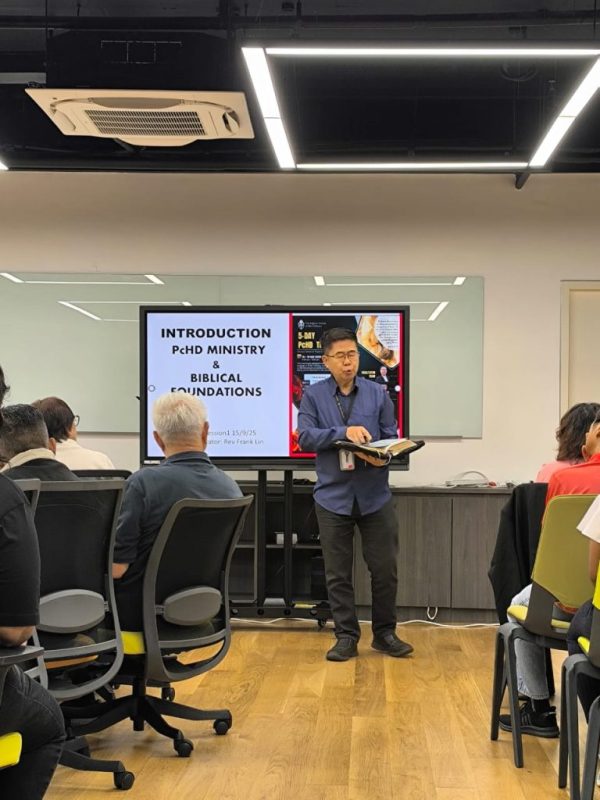
This article contains Rev. Frank Lin’s detailed responses to 32 key questions on the Prayer, Healing, & Deliverance ministry, grounded in Scripture, theological clarity, pastoral experience, and insights from modern science. From the model of Jesus Christ and through the power of the Holy Spirit, Rev. Frank presents a holistic vision of healing that encompasses spiritual authority, emotional restoration, and practical discipleship. His responses give a balanced, pastoral, and deeply reflective guide for anyone who desires either to be informed or to grow deeper in PHD ministry within the greater mission of the Church today.

For easier reading, the article has been structured into subsections (key phrases in each question highlighted in red). You may read the article in full or navigate directly to the sections most relevant or of interest to you.
Interview: The 32-Questions for Rev Frank Lin, Bishop’s Chaplain to Right Reverend Dr Steven Abbarow and Chairman of the Anglican Revival Fire Ministry (ARFM), Diocese of West Malaysia
Mission of Prayer, Healing, and Deliverance (PHD) Ministry Model

These questions are foundational to establishing the mission of the Prayer, Healing, and Deliverance (PHD) ministry model, rooted in the example of Jesus Christ and powered by the Holy Spirit. The following comprehensive, bulleted responses draw on biblical authority, theological coherence, and modern scientific understanding for PHD Ministry.
Q1. Could you begin by sharing a little about yourself and how you first felt called into prayer, healing, and deliverance ministry?
The call to this ministry flows from a deep conviction regarding the nature of God’s Kingdom and the necessity of presenting a complete Gospel, moving beyond mere academic faith to demonstrated power.
• Biblical & Theological Grounding: The Lord’s Supreme Model
◦ The initial call was rooted in recognizing Jesus’ ministry as the supreme model — a holistic ministry of Preaching, Healing, and Deliverance (PHD). Any ministry that falls short of this model is considered incomplete.
◦ The foundational mandate is found in the Nazareth Manifesto (Luke 4:18-19), where Jesus declared He was anointed by the Spirit to proclaim good news, heal the brokenhearted, and set the captives free. The call is an imperative to continue this work.
◦ The drive is to glorify Christ, anchored in the unconditional love of Abba Father, recognizing that we are commissioned as Christ’s ambassadors to bring freedom (2 Corinthians 5:20).
• Pastoral & Practical Catalyst: Responding to Brokenness
◦ The vocational shift moved from focusing solely on preaching the Word (which is essential) to embracing the dimension of power encounter necessary to address the kingdom of darkness.
◦ The motivation arose from the great need to bring believers from a state of brokenness back to their true identity and destiny in Christ. This requires a holistic approach addressing the spirit, soul, and body (1 Thessalonians 5:23).
◦ The conviction settled that sound doctrine (like understanding our Position in God through salvation – justification, sanctification, and glorification) is the indispensable prerequisite for effective, practical ministry.
• Jesus’ Response: Jesus would emphasize that the ministry is fueled by the Holy Spirit’s empowerment (Acts 1:8) and driven by compassion for the afflicted. This call to ministry is fulfilled in the continuous work of multiplication and discipleship (Matthew 28:18-20).
Q2. What is the core vision or purpose of your ministry, especially in the areas of counseling, healing, and deliverance?
The core purpose is encapsulated in the PcHD/PHD Vision, emphasizing spiritual empowerment and the advancement of God’s Kingdom through holistic restoration.
• Vision & Theological Purpose: Kingdom Expansion
◦ The overarching vision is Transforming lives and communities by advancing the Kingdom of God through the ministry of Prayer, Healing, and Deliverance (PHD), modeled entirely after Jesus Christ.
◦ The primary objective is Biblical Training & Equipping and Spiritual Empowerment & Activation. This prepares leaders and believers to minister with the authority Jesus delegated (Matthew 28:18-20).
◦ This is a Kingdom mandate, recognizing that every act of deliverance is a demonstration that God’s rule has broken into the world, fulfilling the “already/not yet” dynamic of the Kingdom.
• Holistic & Scientific Integration
◦ The ministry utilizes an holistic, integrative model focusing on healing the spirit, soul, and body.
◦ We incorporate scientific insights from brain science, epigenetics, and neuroplasticity. The command to renew our minds (Romans 12:2) is theologically sound because the Creator understood how prone humans are to toxic thinking.
◦ Healing addresses deep emotional wounds, generational patterns, and trauma that may be stored as cellular memories. Through prayer, neuroplasticity enables the restructuring of neural pathways associated with fear and anxiety, replacing them with paths associated with peace and confidence.
• Pastoral & Multiplication Goal
◦ The core goal is Discipleship & Multiplication – raising and mentoring leaders who will continue the work, transforming the healed into healers.
◦ We strive to maintain balance, ensuring we are Spirit-filled without becoming extreme or bizarre, operating solely under the authority of Scripture.
• Jesus’ Response: Jesus commissioned His disciples to carry on His work (John 14:12; Mark 16:15-20). He would commend the approach of seeking restoration to wholeness in the spirit, soul, and body.
Q3. How would you personally define “deliverance,” and what
distinguishes your approach from general prayer ministry?
Deliverance is defined as the spiritual liberation of an individual from demonic oppression or influence, distinguished by its authoritative nature and focus on addressing legal rights.
• Biblical & Theological Definition of Deliverance
◦ Deliverance is the expulsion of demonic influence or spirits, fulfilling Christ’s mission to “proclaim liberty to the captives” (Luke 4:18).
◦ It is an essential component of the gospel, signifying spiritual warfare that defeats the enemy’s strongholds and accomplishes Jesus’ mission to destroy the works of the devil (1 John 3:8).
◦ Deliverance is often inseparable from inner healing, as emotional wounds and unaddressed pain can become “food for the demonic”.
• Distinction 1: Authority and Discerning the Root Cause
◦ General prayer is often petitionary, focused on needs or circumstances; deliverance ministry operates on delegated authority (exousia) over the enemy (Luke 10:19).
◦ Deliverance requires meticulous discernment (1 Corinthians 12:10) to determine if the issue is demonic, emotional/psychological, or physical. Not everything is about deliverance.
◦ We use an integrated approach to differentiate symptoms, recognizing that ungodly, toxic thinking (a spiritual problem) affects the brain’s physical structure.
• Distinction 2: Process, Renunciation, and Legal Rights
◦ The core distinction lies in the methodology: Deliverance ministry requires identifying and breaking legal rights – unrepented sins, curses, or occult involvement that give demons legal access.
◦ The process demands leading the individual in specific confession and renunciation (Mark 11:25,26) before using commanding prayer in the name of Jesus (Mark 1:25). General prayer typically lacks this structured process of confrontation and renunciation.
◦ This approach ensures holiness (James 4:7, 1 Peter 1:16) and uses spiritual weapons such as the Name of Jesus (Mark 16:17) and the Word of God (Hebrews 4:12) to secure freedom.
• Jesus’ Response: Jesus would insist that the ministry be done with compassion (Mark 5:19) and authority, commanding the evil to depart immediately, resulting in the demonstration of the Kingdom of God.
Biblical and Theological Cornerstones of the PHD Ministry Model

This section addresses the deep biblical and theological cornerstones of the Prayer, Healing, and Deliverance (PHD) ministry model, integrating spiritual principles with insights from science and psychology to provide a comprehensive, Christ-centered response.
Q4. What biblical passages or teachings most clearly shape your
understanding of healing and deliverance?
Our understanding is supremely shaped by the ministry of Jesus Christ (Acts 10:38), viewed through the lens of God’s redemptive plan and demonstrated power.
• Biblical Foundation: Jesus’ Mission Statement
◦ The core passage is the Nazareth Manifesto (Luke 4:18-19), fulfilling Isaiah 61:1-3. Jesus declared He was anointed by the Holy Spirit to proclaim liberty to the captives, heal the brokenhearted, and set the oppressed free. Deliverance is, therefore, central to the Gospel of the Kingdom.
◦ Acts 10:38 states that God anointed Jesus with the Holy Spirit and power, and He went about doing good and healing all who were oppressed by the devil. This identifies the source of sickness and oppression as often rooted in demonic activity.
◦ The ultimate goal is revealed in 1 John 3:8: Jesus appeared to destroy the works of the devil. Deliverance ministry continues this destruction of Satan’s works.
• Theological Roots: God the Healer
◦ The Old Testament reveals God’s nature through the covenant name Yahweh-Rapha, “I am the Lord who heals you” (Exodus 15:26). Healing and deliverance are not peripheral miracles but manifestations of God’s compassionate character (the love of Abba Father), who desires wholeness.
◦ Isaiah 53:4-5 links physical and emotional restoration directly to the Messiah, affirming He bore our infirmities and sorrows and that by His wounds we are healed.
• Kingdom Confirmation: Authority Demonstrated
◦ Matthew 12:28 provides the theological link to the Kingdom of God: “If I cast out demons by the Spirit of God, then the Kingdom of God has come upon you.” Every act of deliverance is a tangible demonstration that God’s rule has broken into the world, displacing the kingdom of darkness.
◦ Jesus’ parting commission (Mark 16:17-18; Matthew 28:18-20) validates that believers are mandated to continue this ministry using His authority.
• Jesus’ Response: Jesus would point to His own public ministry of teaching, healing, and casting out demons as undeniable proof that the promises of God were fulfilled in Him (Matthew 11:4-5).
Q5. How does healing and deliverance relate to the doctrine of salvation – is the atonement spiritual only, or does it also include physical and emotional restoration?
The atonement is not spiritual only; it is fundamentally holistic, providing complete restoration (spirit, soul, and body) from the brokenness introduced by the Fall.
• Theological Scope: Holistic Redemption
◦ The foundational scope of salvation is comprehensive: God desires the salvation and wholeness of the whole person – spirit, soul (mind, emotions, will), and body (1 Thessalonians 5:23).
◦ The cross addressed the full consequences of sin, including the curse of sickness and brokenness. Isaiah 53:5 confirms that “by His wounds we are healed,” signifying redemption from sin and also from disease and pain.
◦ Salvation (Position in God) is doctrinally categorized as: Justification (Past), which paid the penalty of sin; Glorification (Future), which delivers us from the presence of sin; and Sanctification (Present), which delivers us from the power of sin. Healing and deliverance
fall primarily under Sanctification, the ongoing process of Christ delivering us from the power of sin and the evil power of this age.
• Practical & Scientific Integration: Healing the Soul
◦ Healing ministry (inner healing) specifically addresses deep emotional wounds from trauma, rejection, and abuse. Emotional damage is often referred to as “food for the demonic” because it creates legal rights for the enemy.
◦ Healing the soul involves actively renewing the mind (Romans 12:2), engaging the power of forgiveness (Matthew 6:12), and inviting Jesus into painful memories.
◦ From a scientific perspective, this spiritual work impacts the mind-body connection. Inner healing affects the “soul” (mind/emotions), restructuring toxic thinking and enabling neuroplasticity to replace pathways associated with fear and trauma with pathways associated with God’s truth and peace. Physical ailments are often spiritually rooted (psychosomatic illnesses).
• Jesus’ Response: Jesus frequently healed the physically sick immediately after forgiving their sins (Mark 2:10-11), demonstrating that spiritual and physical restoration are inseparable and flow directly from His authority in the atonement.
Q6. How are healing, deliverance, and discipleship connected within the broader message of the Gospel?
Healing and deliverance are integral acts of discipleship and multiplication, ensuring that the restoration achieved in Christ is secured, sustained, and transferred to others.
• Theological Mandate: The Great Commission
◦ Healing and deliverance ministry (PHD) are not optional accessories but essential components of fulfilling the Great Commission (Matthew 28:18-20; Mark 16:15-20; Acts 1:8). Jesus mandated His disciples to preach the Kingdom, heal the sick, and cast out demons (Matthew 10:7-8).
◦ Discipleship is the process of teaching believers to obey everything Christ commanded, which includes the demonstration of power (1 Corinthians 2:1-5; Romans 15:16-19).
• Pastoral and Practical Connection: Maintaining Freedom
◦ Deliverance without ongoing spiritual development risks relapse; Matthew 12:43-45 warns that an empty house can be re-occupied by even more demons.
◦ Discipleship (Post-Deliverance Care) is the structured process of filling the freed “house” with the Holy Spirit and godly habits. This involves:
▪ Renewing the mind (Romans 12:2): Replacing old strongholds with biblical truth.
▪ Spiritual disciplines: Daily Bible reading, prayer, worship, and community involvement to build spiritual maturity.
▪ Accountability: Integration into a supportive community (Hebrews 10:24-25).
• Multiplication and Empowerment
◦ The goal of PHD ministry is duplication and multiplication. The healed person is discipled and equipped to become a “wounded healer” (2 Corinthians 1:3-4), who then ministers to others. This aligns with John 14:12 – believers doing “greater works”.
• Jesus’ Response: Jesus would stress that true faith is incomplete without action (James 2:17). He commanded His disciples to replicate His works, demonstrating that the ultimate fruit of being set free is the capacity to set others free, thereby advancing the Kingdom of God (Matthew 28:19).
Q7. How do you understand the believer’s authority in Christ when confronting spiritual oppression, and how is this linked to spiritual warfare?
The believer’s authority is understood as delegated Kingdom authority (exousia) rooted solely in Christ’s finished work, which empowers them to engage in the reality of spiritual warfare against the forces of darkness.
• Theological Framework: Authority vs. Power
◦ Authority (Greek: exousia) is the legal right or delegated jurisdiction, vested in Christ (Matthew 28:18) and transferred to every believer (Luke 10:19; John 14:12). This authority is kingly, not merely priestly.
◦ Power (Greek: dunamis) is the ability or spiritual force to enforce that right, supplied by the Holy Spirit (Acts 1:8). Authority without power is ineffective; power without authority is dangerous.
◦ Authority is activated by submission to God (James 4:7), without which demons will not flee.
• Spiritual Warfare: Confronting the Reality
◦ Spiritual warfare is the ongoing battle between the Kingdom of God and the kingdom of darkness. Ephesians 6:12 reminds us that our struggle is not against flesh and blood, but against spiritual forces of evil.
◦ Believers demolish enemy strongholds (entrenched ways of thinking) using divine weapons (2 Corinthians 10:3-5) and the full armor of God (Ephesians 6:10-18).
• Scientific and Practical Link: Cognitive Renewal
◦ Spiritual authority is exercised by declaring the truth of the Word (Job 22:28). This act of speaking in faith, or “legislative prayer” (Matthew 16:19), is linked to the renewal of the mind (Romans 12:2).
◦ Neuroscience suggests that exercising spiritual authority in prayer activates the prefrontal cortex (responsible for decision-making and spiritual perception), demonstrating that spiritual empowerment has physiological implications and helps reset distorted cognitive pathways caused by oppression.
• Jesus’ Response: Jesus demonstrated authority by directly commanding demons (Mark 1:25), showing that commanding prayer is the model for confronting spiritual oppression, relying entirely on the Father’s delegated authority and the power of the Holy Spirit.
Discernment

This section addresses the crucial topic of discernment, focusing on how to biblically, theologically, and scientifically distinguish spiritual oppression requiring deliverance from purely emotional or psychological struggles. Jesus’s ministry model consistently involved recognizing and dealing with spiritual roots to achieve holistic freedom.
Q8. What are some common signs that someone may need deliverance rather than only emotional or psychological support?
The need for deliverance is indicated by specific symptoms and reactions that go beyond typical psychological distress, often manifesting as a spiritual opposition to God’s Kingdom and truth.
• Biblical & Practical Indicators (Spiritual Red Flags)
◦ Aversion to Spiritual Truth: The individual exhibits strong, agitated, or violent reactions to the name of Jesus, the reading of Scripture, worship, or prayer. In some severe cases, they may be unable to speak Jesus’ name or confess His lordship.
◦ Occult or Ancestral Ties: A history of involvement in occult practices, such as witchcraft, fortune-telling, or ancestral worship, which act as direct entry points or legal rights for demonic influence.
◦ Compulsive Destructive Behavior: Heavy, compulsive sinful practices like addiction, drug abuse, or irrational destructive behaviors (violence, self-harm) that the person desperately wishes to stop but cannot control.
◦ Unexplained Physical Symptoms: Abnormal medical problems that are hereditary, chronic, or recurring, resulting in pain (especially in the head or stomach) without justifiable medical explanation, and sometimes suddenly alleviated only by prayer commands. The woman bent over by a spirit of infirmity for 18 years is a biblical example of spiritual oppression manifesting physically (Luke 13:10-13).
◦ Manifestation During Ministry: Supernatural reactions during prayer, such as resistance, yawning, screaming, sudden personality shifts, speaking in strange voices or languages, vomiting, or supernatural strength.
• Scientific and Theological Alignment
◦ Compulsive thoughts, often classified as cognitive distortions, can be spiritual strongholds which operate in the mind, emotions, and will (the soul). Deliverance aims to destroy these strongholds (2 Corinthians 10:4-5) by introducing Christ’s authority and truth.
◦ The primary battleground is the “inner man” (spirit and soul), where unresolved emotional hurts and trauma become “food for the demonic,” leading to further oppression.
• Jesus’ Response: Jesus always addressed the root cause. If the issue was demonic, He would immediately use commanding authority (“Be quiet! Come out of him!” Mark 1:25) to bring freedom and holistic restoration.
Q9. How do you discern whether a struggle is spiritual, emotional, mental, or a combination of these factors? Does Scripture distinguish between ‘healing,’ ‘deliverance,’ and ‘exorcism’?
Discernment relies on the Holy Spirit’s guidance coupled with a rigorous, investigative approach, recognizing that the human condition often presents an integrated mixture of spiritual and psychological factors.
• Theological & Practical Discernment (The “Interview Phase”)
◦ Rely on the Holy Spirit: Discernment is primarily a gift of the Spirit (1 Corinthians 12:10), allowing the minister to recognize whether a struggle originates from God, a demonic entity, or human origin (emotional/psychological/physical).
◦ Comprehensive Assessment: The first critical step is identifying the issue through an in-depth interview to gather the person’s life history, spiritual background, and symptoms. Questions must address past traumas, family patterns, ungodly pronouncements, and involvement in occult practices.
◦ Root Cause Analysis: Deliverance ministry must discern the root cause because addressing the wrong root (e.g., treating psychological depression as purely demonic) leads to ineffective ministry or misdiagnosis. Deep emotional wounds (inner healing) and unaddressed pain create spiritual footholds; therefore, inner healing and deliverance are inseparable.
• Scientific and Psychological Integration
◦ The battle begins in the mind and heart, which includes the mind, emotions, and will (the soul). Psychological issues (like extreme depression, anxiety, or compulsive thoughts) may indicate a demonic influence, especially if they are linked to trauma or spiritual doors.
◦ Ministers must recognize that mental illness is characterized by clinically diagnosed disorders and may respond to medication, which counselors must not advise stopping. Discernment helps differentiate clinically based symptoms from supernatural manifestations.
• Scriptural Distinction between Ministry Terms
◦ Scripture implies a distinction, although the boundaries sometimes blur.
◦ Healing (therapeuō) generally refers to physical, emotional, or spiritual cure, restoring the whole person (spirit, soul, body).
◦ Deliverance (ekballō, meaning “to cast out”) is specifically the expulsion of demonic influence or spirits. Jesus’ ministry records cases of physical healing (Mark 5:34) and explicit deliverance (Mark 5:8).
◦ Exorcism (exorkistēs) occurs only once in the New Testament (Acts 19:13), but the action of commanding spirits is central to Jesus’ model.
• Jesus’ Response: Jesus often performed healing through deliverance (Luke 13:10-13), demonstrating compassion while possessing the discerning power of the Holy Spirit (1 Corinthians 12:10).
Q10. Can Christians experience spiritual oppression, and if so, how does that align with biblical teaching?
Theologically, Christians cannot be possessed (owned) but can be oppressed (influenced or tormented) by demonic forces if spiritual legal rights are granted through unaddressed sin or brokenness.
• Theological Clarity (Oppression vs. Possession)
◦ Inhabitation: A believer cannot be possessed (full control) because the Holy Spirit resides within them, making their body a temple of the Holy Spirit (1 Corinthians 6:19).
◦ Influence: However, a Christian can experience demonization, oppression, or torment – spiritual harassment affecting their emotions, thoughts, physical health, or external circumstances. Biblical examples include the woman oppressed by a spirit of infirmity (Luke 13:10-13).
• Biblical Alignment (Legal Rights and Sanctification)
◦ Footholds: Oppression aligns with the biblical warning not to “give the devil a foothold” (Ephesians 4:27). Legal rights for demons can be established through unconfessed sin, unforgiveness, ungodly soul ties, generational iniquities (Exodus 20:5), trauma, or spiritual ignorance.
◦ Sanctification: Deliverance ministry is an integral part of the believer’s ongoing sanctification – the process of being continually freed from the power of sin and evil.
◦ Filling the House: After deliverance, the space must not be left empty, as the spirit may return with reinforcements (Matthew 12:43-45). Therefore, lasting freedom requires discipleship and being continually filled with the Holy Spirit (Ephesians 5:18) to maintain freedom.
• Jesus’ Response: Jesus would urge believers to walk in spiritual vigilance (1 Peter 5:8) and exercise the delegated authority (Luke 10:19) He provided, ensuring they submit to God and resist the devil (James 4:7) to maintain freedom. He would stress that spiritual struggle is inevitable (Ephesians 6:12) but victory is assured through His finished work.
Psychological and Emotional Dimensions

The Psychological and Emotional Dimensions section addresses the critical need for a holistic and integrated approach in ministry, recognizing that spiritual, emotional, and physical brokenness are deeply interconnected following the example of Jesus Christ.
Q11. How should deliverance ministry integrate psychological and emotional healing (counseling, trauma recovery) with spiritual prayer?
Deliverance ministry must adopt a holistic, integrated model where emotional healing (counseling) precedes or runs concurrently with deliverance, acknowledging that wounds of the soul often provide legal rights for demonic oppression.
• Biblical and Theological Imperative (Holistic Restoration)
◦ The ministry is grounded in Jesus’ mission to “heal the brokenhearted” (Isaiah 61:1; Luke 4:18). Emotional healing is central to the doctrine of salvation, which seeks to restore the whole person – spirit, soul (mind, emotions, will), and body (1 Thessalonians 5:23).
◦ Deliverance without inner healing leaves a spiritual vacuum, risking re-oppression by the demonic (Luke 11:24-26). Inner healing and deliverance are considered inseparable for comprehensive freedom.
◦ The goal is a profound restoration of the individual’s identity, personhood, and relationship with Abba Father.
• Pastoral and Practical Integration (Addressing Root Systems)
◦ Emotional wounds stemming from trauma, rejection, and abuse act as a “root system” that must be addressed. Emotional damage is often termed “food for the demonic“.
◦ Counseling (or Inner Healing) involves inviting Jesus and the Holy Spirit “into the deep broken places of our hearts” and painful memories to bring comfort, truth, and transformation.
◦ Key components of integration include Facilitating Forgiveness – a non-negotiable divine command – of others, self, and God, as unforgiveness is a major legal ground for demonic torment (Matthew 6:14-15; Matthew 18:34-35).
◦ The structure often requires Acknowledgement of the abuse/trauma and Renunciation of negative self-talk, ungodly vows, and soul ties before commanding spirits to leave.
• Scientific Insight (Neuroplasticity and the Mind)
◦ The spiritual discipline of renewing the mind (Romans 12:2) is vital because trauma rewires the brain, creating neural pathways associated with fear and anxiety.
◦ Prayer, deliverance, and divine authority can restructure these neural pathways through neuroplasticity, replacing toxic thinking and strongholds (2 Corinthians 10:4-5) with truth, resulting in healing and renewal.
• Jesus’ Response: Jesus would mandate the use of empathy and authority, ensuring ministry leads to holistic restoration of the spirit, soul, and body (Mark 5:19), combining compassionate presence with divine power (Matthew 10:7-8).
Q12. In your experience, how much of what people call “oppression” is rooted in trauma, mental illness, or relational brokenness versus demonic influence?
Spiritual oppression is seldom purely demonic or purely psychological; rather, it is typically a combination of factors where emotional wounds and trauma provide the entry points or legal grounds that demonic influence exploits.
• Theological and Pastoral Synthesis (The Interrelation of Roots)
◦ The struggle begins in the soul – the mind, emotions, and will – which is the primary battlefield. The progression often moves from Thought → Behaviour → Pattern → Loss of Control → Deep Bondage/Stronghold.
◦ The overwhelming majority of oppression is rooted in the consequences of sin and the Fall, manifesting as deep emotional wounds from trauma, rejection, and abuse.
◦ These wounds become “food for the demonic“. Trauma creates the vulnerability and the ungodly reaction to that trauma (e.g., unforgiveness, inner vows, sexual sin) establishes the spiritual legal right for the demon to torment the person.
• Demonic Influence via Legal Rights (Spiritual Roots)
◦ Demonic influence requires a legal right or “foothold” (Ephesians 4:27) to operate, even in a believer’s life. Key legal grounds include:
▪ Unforgiveness: This is repeatedly stressed as a major spiritual hindrance and ground for demonic torment (Matthew 18:34-35).
▪ Occult Practices: Direct involvement in witchcraft, spiritism, or ancestral worship provides direct access.
▪ Generational Iniquity: Patterns of sin or bondage inherited through family lines (Exodus 20:5).
• Psychological and Scientific Contributions (Trauma Roots)
◦ Trauma, abuse, and relational brokenness shatter spiritual and emotional defenses. In severe cases, this leads to complex psychological disorders like PTSD or dissociative identity disorder (DID), which are recognized as open doors for spiritual issues.
◦ Mental illnesses are caused by biological, chemical, genetic, or trauma-based dysfunctions, but spiritual issues can exacerbate these conditions, leading to irrational fears, anxiety, and depression (mental and emotional disturbances). Discernment is essential to differentiate clinically based symptoms from supernatural manifestations.
• Jesus’ Response: Jesus saw the person entirely: the Gerasene demoniac was restored to his “right mind” (Mark 5:15) after being freed from spiritual oppression. Jesus demonstrated that ultimate freedom involves addressing the spiritual, mental, and emotional roots simultaneously to achieve total wholeness (Luke 4:18).
The Process of Healing and Deliverance

The process of healing and deliverance in the Prayer, Healing, and Deliverance (PHD) ministry model follows the established practice of Jesus Christ, integrating comprehensive pastoral care, spiritual authority, and scientific understanding of human wholeness (spirit, soul, and body).
Q13. When someone comes to you for prayer or deliverance, what does the full process typically look like — preparation, counseling, prayer, and follow-up?
Each case can be different with the intervention of the Holy Spirit’s leading. Discernment is needed. But the general guideline of the full process is a structured, systematic journey aligned with the Jesus model of PHD ministry.
• 1. Preparation and Spiritual Readiness (Biblical & Theological)
◦ Ministerial Sanctification: Ministers must dedicate themselves to prayer and fasting (Matthew 17:21) and maintain personal holiness (James 4:7) to operate effectively.
◦ Prayer Covering: The team must establish a prayer-covering or protection by the Blood of Jesus over the counselee and the entire ministry team.
◦ Holy Spirit Invocation: The Holy Spirit is explicitly invited to be present and take full control and charge of the session.
• 2. Counseling and Identification (The “Interview Phase”)
◦ Gather History: This is the critical step of “Identify the Issue“. A detailed interview or asking the counselee to submit a profile data that gathers the person’s life history, spiritual background, symptoms, and potential “open doors”.
◦ Discernment: The minister seeks the Holy Spirit’s guidance to accurately discern if the problem is demonic, emotional, psychological, or physical, as misdiagnosis leads to ineffective ministry.
◦ Building Trust: Establishing a trusting relationship and rapport with the counselee is fundamental, allowing them to share openly.
• 3. Deliverance and Inner Healing (The Core Ministry)
◦ Repentance & Renunciation: The counselee is led to confess known sins and renounce involvement in the occult or any ungodly ties, thereby breaking legal rights the enemy may have gained (1 John 1:9; Mark 11:25).
◦ Authority Command: Ministers exercise delegated authority to command the identified demonic spirits to leave clearly and directly in the Name of Jesus Christ (Mark 1:25; Luke 10:19).
◦ Inner Healing: Crucially, emotional wounds and past trauma are ministered to after deliverance, focusing on profound forgiveness (Colossians 3:13) and receiving the unconditional love of Abba Father.
◦ Filling: The Holy Spirit is invited to fill the vacated space to prevent re-oppression (Matthew 12:43-45; Ephesians 5:18).
• 4. Follow-up (Post-Deliverance Care/Spiritotherapy)
◦ Discipleship and Multiplication: Post-deliverance care is vital for maintaining freedom. This involves discipleship and integration into a supportive Christian community.
◦ Renewing the Mind: The believer is equipped with Scripture for daily renewal of the mind (Romans 12:2; Psalm 119:11), using God’s Word to resist future attacks and restructure neural pathways (neuroplasticity).
• Jesus’ Response: Jesus’ ministry consistently followed the pattern of compassionate identification (counseling/Luke 4:18-19) leading to authoritative action (deliverance/Mark 1:25), followed by restoration and commissioning (follow-up/Mark 5:19).
Q14. How important is personal history (family background, trauma, patterns of sin, past wounds) in discerning a person’s spiritual condition?
Personal history is indispensable in deliverance ministry as it reveals the root causes and legal grounds that spiritual forces exploit, demanding a thorough, holistic diagnosis.
• Theological Necessity: Identifying Legal Rights
◦ The primary role of gathering a comprehensive history is to discern the root issue. Past wounds, unconfessed sins, and occult involvement create “open doors” or “legal rights” for demonic influence, which must be identified and broken through repentance and renunciation.
◦ Unforgiveness, in particular, is highlighted as a major hindrance and a spiritual ground for torment (Matthew 18:34-35).
◦ The history helps confirm the individual’s “Position in Christ,” recognizing that sound doctrine is essential for practical ministry, guiding them from brokenness back to their identity and destiny in Christ.
• Pastoral Integration: Addressing Trauma Roots
◦ Trauma, rejection, and relational brokenness (past wounds) are seen as “food for the demonic” because they shatter the person’s sense of security and identity, allowing oppression to take root.
◦ The PHD model addresses these deep emotional wounds through Inner Healing Ministry – a counseling step that invites Jesus into those painful memories.
◦ Deliverance ministry specifically addresses and breaks the patterns of sin, ungodly pronouncements, and curses inherited through family background or generational iniquity (Galatians 3:13-14).
• Scientific Insight: Strongholds and Epigenetics
◦ Trauma and past brokenness create spiritual strongholds (2 Corinthians 10:3-5) which manifest as toxic thinking patterns.
◦ From a scientific perspective, past trauma creates neural pathways associated with fear and anxiety in the brain. Understanding this history allows the minister to target those lies and emotional distortions with biblical truth during the session, facilitating neuroplasticity for renewal (Romans 12:2).
• Jesus’ Response: Jesus always went beyond surface symptoms to address the root spiritual and emotional brokenness, often linking forgiveness of sin (spiritual status) with physical healing (physical restoration) (Mark 2:10-11).
Q15. What role does the Holy Spirit play in guiding you through a deliverance session?
The Holy Spirit is the indispensable source of power, guidance, and anointing for every phase of deliverance ministry, ensuring the ministry is rooted in Christ’s compassion and authority.
• Source of Empowerment and Authority (Pneumatological)
◦ The Holy Spirit is the crucial source of strength and power for the PHD ministry. Without the Holy Spirit’s empowerment, the ministry becomes powerless.
◦ Jesus demonstrated the necessity of the Spirit, being anointed with the Holy Spirit and power (Acts 10:38). It is through the Holy Spirit that believers receive the dunamis (power) to enforce the exousia (authority) of Christ (Acts 1:8; Luke 10:19).
• Guidance and Discernment (Practical)
◦ The Holy Spirit guides the entire session and provides the crucial gift of discernment of spirits (1 Corinthians 12:8-10). This allows the minister to distinguish between issues that are purely psychological, physical, or spiritual.
◦ Ministers must submit to God’s leading and remain sensitive to the Holy Spirit’s direction during the session, listening to His still, small voice to guide their actions.
• Restoration and Filling (Pastoral)
◦ The Holy Spirit provides the Inner Healing component, bringing profound comfort and peace to emotional wounds after deliverance.
◦ The Spirit’s primary role post-deliverance is to fill the vacated areas (Matthew 12:43-45) and continually sanctify the believer (Ephesians 5:18), protecting against future oppression. He is the one who helps renew the mind (Romans 12:2) and cultivates the Fruit of the Spirit.
• Jesus’ Response: Jesus would emphasize that He acted only by the power of the Spirit (Matthew 12:28: “If I cast out demons by the Spirit of God…”). He would instruct disciples to rely entirely on the Holy Spirit as their teacher, leader, and partner, demonstrating that effective ministry flows not from human might or title, but from humble obedience and divine anointing (Zechariah 4:6).
Guidelines, Standards, and Balance

The goal of the Prayer, Healing, and Deliverance (PHD) ministry, modeled after Jesus Christ, is to bring holistic restoration rooted in the love of Abba Father, requiring rigorous ethical standards and balance in practice.
Q16. What risks or misuses can occur in deliverance ministry (e.g., spiritual abuse, misdiagnosis, neglect of mental health)?
Deliverance ministry operates in a high-stakes arena of spiritual warfare, making it vulnerable to misuse if ministers lack spiritual maturity, training, or ethical boundaries.
• Biblical & Theological Risks:
◦ Spiritual Pride and Lack of Holiness: Operating outside submission to God (James 4:7) or possessing unrepented sin gives the enemy a foothold, potentially leading to demonic retaliation or ministers being overpowered, as seen with the sons of Sceva (Acts 19:13-16). Deliverance is about spiritual authority stemming from a life submitted to God, not just technique.
◦ Emotional Extremism: The sources warn against becoming “weird or bizarre” or going to extremes, emphasizing the need for balance in ministry. Ministry effectiveness is rooted in humility and obedience, not human might (Zechariah 4:6).
• Misdiagnosis and Neglect of Mental Health (Scientific/Psychological Risks):
◦ Misattribution of Causes: The greatest risk is misdiagnosis. Not everything is about deliverance. Over-spiritualizing every issue or dismissing natural, psychological, or physiological causes is dangerous.
◦ Neglect of Clinical Needs: Neglecting real mental illness (like psychotic breakdown or severe depression) can lead to harmful outcomes, as these conditions require expert help and medical diagnosis. Treating psychological issues as purely demonic leads to ineffective ministry.
• Pastoral and Ethical Misuses:
◦ Spiritual Abuse and Exploitation: Ministers must avoid exploiting the individual’s struggle for sensationalism or personal gain. Sessions should avoid public displays that could humiliate the individual, maintaining dignity and privacy.
◦ Deliverance without Discipleship: Deliverance without discipleship is dangerous. Casting out spirits without filling the spiritual “house” with the Holy Spirit and godly habits leads to the spirits returning with reinforcements (Matthew 12:43-45), making the final state worse.
• Jesus’ Response: Jesus, operating in divine power and perfect wisdom, exhibited complete discernment. He would stress compassion and humility (Matthew 11:28-30), demanding that ministers prioritize the safety and holistic well-being of the afflicted person above all else.
Q17. What ethical guidelines should deliverance ministers follow – especially regarding boundaries, confidentiality, consent, and pastoral responsibility?
Ethical deliverance ministry operates entirely under spiritual authority and mandates the strict protection of the individual’s dignity and spiritual journey, reflecting the love of Abba Father.
• Theological Foundation (Authority & Humility):
◦ Submission and Accountability: Deliverance ministers must work under the covering of a local church or spiritual authority (pastor/vicar). This obedience to spiritual leadership (Hebrews 13:17) is crucial for a blessed and fruitful ministry and prevents operating in spiritual rebellion.
◦ Team Ministry: Ministers must always minister in pairs or teams to ensure accountability, protection, and shared responsibility. Jesus sent His disciples out in pairs (Luke 10:1).
◦ Love as the Rule: The guiding principle must be love (1 Corinthians 16:14).
• Pastoral Boundaries and Confidentiality:
◦ Confidentiality and Privacy: Counsellors must assure the counselee of confidentiality and conduct sessions in private to preserve the individual’s dignity and privacy. The focus must always be on glorifying Christ, avoiding sensationalism.
◦ Consent and Transparency: The counselee must genuinely desire freedom and understand the process. Ministers must obtain informed consent and ensure the counselee is committed to the whole process.
• Practical and Holistic Responsibility:
◦ Maintaining Purity: Ministers must maintain personal holiness (James 4:7) through repentance, prayer, and faith before engaging in ministry. They must constantly examine their hearts for any unconfessed sin that could open a door to the enemy (Ephesians 4:27).
◦ Discernment and Referral: Ministers have a pastoral responsibility to accurately discern the root cause and know when to refer to appropriate professionals, ensuring holistic care.
• Jesus’ Response: Jesus embodied perfect compassion and respect (Mark 5:19). He would insist that ministry be carried out with integrity and humility, emphasizing that the healing process should restore the person to wholeness – mind, body, and spirit – and reintegrate them into the community.
Q18. At what point do you advise someone to seek professional mental health support alongside spiritual ministry?
Professional mental health support is advised immediately when symptoms exceed the capacity of pastoral care or present severe clinical risks, ensuring an integrated “both-and” approach where medical expertise manages the physical brain chemistry while spiritual ministry addresses the root of the soul/spirit.
• Scientific and Practical Indicators (Immediate Referral):
◦ Clinical Severity: Advise professional consultation when symptoms cross the line from a treatable “thinking disorder” to a more complex “mental illness” or psychotic breakdown. This includes suicidal ideation, deep depression, or irrational, compulsive destructive behavior that the individual cannot control.
◦ Diagnostic Clarity: Referrals are necessary to determine if the problem is rooted in biological, chemical, or genetic factors (e.g., schizophrenia, bipolar disorder) rather than exclusively spiritual oppression.
◦ Medication Management: If the person is already on psychiatric medication, the minister must explicitly instruct them NOT to stop the medication. Medication helps stabilize a person, making them more receptive to spiritual healing. The decision to discontinue medication must belong solely to the prescribing doctor.
• Theological and Pastoral Integration (The “Both-And” Model):
◦ Holistic Approach: The PHD ministry model promotes a holistic approach, recognizing that spiritual struggles often masquerade as psychological or physical issues. Inner healing and emotional healing (counseling) are fundamental and must be integrated with deliverance.
◦ Spiritual Complementation: While clinical care stabilizes the symptoms, spiritual deliverance and inner healing address the spiritual roots – such as unforgiveness, trauma, or strongholds (2 Corinthians 10:4-5) – that the medical model often cannot touch. Deliverance complements therapy.
◦ Testing and Discernment: If the struggle is chronic, patterned, and shows no definitive response to spiritual prayer (i.e., no dramatic manifestations or breakthrough in spiritual attacks), a clinical assessment should be sought to rule out purely physical/chemical roots.
• Jesus’ Response: Jesus always ministered to the whole person – spirit, soul, and body (1 Thessalonians 5:23). He would affirm that utilizing medical wisdom alongside faith is not a sign of weakness but an act of wisdom, ensuring that the individual is restored to a “right mind” and total functioning, physically and spiritually.
The Kingdom Dimension

The ultimate goal of the Prayer, Healing, and Deliverance (PHD) ministry, operating within the Kingdom of God dimension, is to glorify Christ and bring holistic freedom from all forms of spiritual, emotional, and physical bondage. Jesus’ established model, rooted in the love of Abba Father, always involved confronting the powers of darkness (Luke 4:18-19).
Q19. What are the most common forms of spiritual bondage you encounter today (fear, addiction, generational issues, trauma, etc.)?
Spiritual bondage results from legal rights given to Satan through unrepented sin, often progressing from a sinful thought or unhealed trauma to a deep stronghold.
• Biblical & Theological Root: Legal Rights
◦ The primary common entry point is Unforgiveness, which is described as a nonnegotiable command, and harbored unforgiveness is a major hindrance and a direct legal ground for demonic torment.
◦ Sexual Brokenness and Ungodly Soul Ties are major forms of bondage. Promiscuous, premarital, and extramarital affairs create strong spirit, soul, and body ties that Satan uses as a “free-flow conduit to transfer lust and sexual garbage”.
◦ Occult Involvement acts as a direct entry point or legal right for demons. This includes consulting fortune tellers, ancestral worship, witchcraft, divination, or involvement in non-Christian rituals.
• Emotional & Psychological Strongholds
◦ Emotional Wounds and Trauma from abuse, rejection, or past hurts are frequently encountered, often referred to as “food for the demonic”. These wounds enable the enemy to establish strongholds in the mind and emotions (the soul).
◦ Compulsive Behaviors such as addiction (alcohol/drugs), self-destructive habits (violence, self-harm), and rage are significant indicators of demonic influence exacerbating a work of the flesh.
◦ Fear, Anxiety, and Isolation are common consequences, especially if tied to spiritual oppression or ancestral fears.
• Jesus’ Response: Jesus came to destroy the works of the devil (1 John 3:8). He would focus on healing the brokenhearted (Isaiah 61:1), addressing the deep wounds, and declaring His authority to liberate the captives.
Q20. How do you differentiate between demonic influence and deeply rooted life patterns or unhealed emotional wounds?
Differentiation relies on spiritual discernment guided by the Holy Spirit, coupled with comprehensive history gathering, recognizing that most oppression is an integrated state where psychological wounds provide the vulnerability.
• Theological & Practical Discernment
◦ Discernment of Spirits (1 Corinthians 12:10) is crucial. It helps the minister determine if the root of the problem is demonic, emotional/psychological, or physical, as misdiagnosis leads to ineffective ministry.
◦ History Gathering: A thorough interview (the “interview phase”) asks detailed questions about life history, spiritual background, past traumas, and occult involvement to identify open doors/legal rights.
◦ The Root/Fruit Connection: Deeply rooted life patterns (trauma, self-rejection) are often the root issue, creating the emotional vulnerability and legal foothold (the fruit) for demons to inflict oppression. Inner healing must address these roots.
• Key Distinguishing Signs (Manifestations)
◦ Demonic Indicators: Uncontrollable, supernatural manifestations during prayer, such as violent reactions, vomiting, yelling, sudden personality changes, or unusual voices. Also, irrational aversion or hostility to Scripture, the name of Jesus, or worship.
◦ Psychological/Emotional Indicators: Manifestations of chronic anxiety, deep depression, or compulsive thought patterns that originate from unresolved trauma, abandonment, or lack of basic trust. These are often the wounds the demon exploits, but may exist without full possession.
• Scientific Integration
◦ Mental illnesses are clinically diagnosed disorders of thought or behavior often rooted in developmental factors or physical brain chemistry. The spiritual dimension is addressed when the struggles (like extreme fear) are linked to ungodly thinking patterns or trauma, which neuroplasticity can help restructure through spiritual truth (Romans 12:2). Professional mental health support is sought if the issue is clinically severe.
• Jesus’ Response: Jesus would demonstrate perfect discernment (1 Corinthians 12:10), identifying the source of affliction, whether it was a spirit of infirmity (Luke 13:11-13) or psychological issues exacerbated by spiritual bondage, always ministering to the whole person.
Q21. Do you believe generational or ancestral issues can affect Christians, and how are these addressed in prayer?
Yes, the sources affirm that Christians can be affected by generational iniquity or ancestral practices, which create spiritual liabilities until they are addressed and broken through Christ’s redemptive work.
• Biblical and Theological Basis
◦ Inherited Consequences: The Bible teaches that the iniquities of the fathers can be visited upon the children to the third and fourth generation (Exodus 20:5). This refers to patterns of sin or spiritual bondage – not guilt – that are inherited through family lines, such as alcoholism, anger, or occult involvement.
◦ Legal Claim: Generational issues provide demons with a legal claim or open door to operate in a person’s life.
◦ Redemption: Christ has redeemed us from the curse of the law (Galatians 3:13-14), meaning the curse is removed, but the believer must appropriate this freedom by addressing the legal rights.
• Addressing in Prayer (Practical Steps)
◦ Renunciation and Repentance (C-R-R): The individual must participate in a structured process of Confession, Repentance, and Renunciation of the sins of their ancestors, specifically mentioning practices like ancestral worship, idol worship, spiritism, or occult ties.
◦ Breaking Curses: The minister exercises spiritual authority in the name of Jesus and by the Blood of Jesus to specifically break every generational curse and family iniquity.
◦ Inner Healing: Often, inherited relational patterns (e.g., father wounds, rejection) that originated in previous generations must be healed emotionally using inner healing prayer, inviting Christ into the trauma.
• Scientific Insight (Epigenetics)
The concept of generational patterns of addiction, trauma, and mental health issues being passed down aligns conceptually with scientific studies showing that ancestral trauma can influence subsequent generations’ genetic expressions, reinforcing the need for both spiritual cleansing and renewal of the mind.
• Jesus’ Response: Jesus would affirm the breaking of all curses because He came to provide complete freedom and reconciliation, restoring the believer to their true identity as a beloved son or daughter of Abba Father.
Challenges in the Prayer, Healing, and Deliverance (PHD) Ministry

The following responses address the challenges and ethical components of the Prayer, Healing, and Deliverance (PHD) ministry, aligning practical experience with theological truth and scientific observation, modeled entirely on Jesus Christ’s holistic approach.
Q22. Could you share a testimony (in general terms) that illustrates how God works through healing or deliverance?
God’s work in healing and deliverance powerfully illustrates the breaking in of the Kingdom of God, transforming the afflicted into witnesses.
• Biblical Foundation: The Authority of Christ
◦ Jesus came to set captives free (Luke 4:18-19). We have many testimonies, here is one. The principle of deliverance is illustrated by a sister’s case where 21 demons (or 23 evil spirits over three sessions) were cast out in Jesus’ name. The enemy tried to disguise the spirits, but Jesus’ authority was exercised, fulfilling Luke 10:17.
◦ This power is not limited to spiritual oppression; a testimony also involved a child with a high fever (39°C) which immediately came down after a simple command in Jesus’ name, demonstrating that Christ’s power extends over physical ailments linked to spiritual affliction.
• Holistic Restoration and Transformation (Pastoral)
◦ Deliverance is not merely expulsion but transformation. The sister’s deliverance led to a restored nervous system, a healed heart, and a victorious lifestyle. Freedom brought immense peace, clarity of mind, and restoration of her God-assigned identity.
◦ This holistic healing often manifests in visible fruit, such as reconciliation of family relationships, physical healing, and new commitment to ministry, reaffirming that deliverance leads to freedom, transformation, and a renewed mission for Christ (Mark 5:19-20).
• Jesus’ Response: Jesus would highlight that the true victory is that the person receives restoration to wholeness and a renewed mission (Mark 5:19). He would stress that this demonstration glorifies God.
Q23. What are some common misconceptions Christians or churches have about deliverance ministry?
Misconceptions often arise from lack of balanced teaching, leading either to overemphasis on the demonic or complete spiritual skepticism.
• Theological Misconceptions (Extremes and Exclusivity)
◦ Over-Spiritualizing: A critical misconception is the belief that every problem is caused by demons. Deliverance ministry must maintain balance and theological soundness, recognizing that some issues are purely physical, emotional, or psychological.
◦ Exclusivity/Cessationism: Many believe deliverance is only for the “spiritually elite” or that the gifts ceased with the Apostles. The biblical perspective is that Jesus commissioned the whole church to carry on the work of healing and deliverance (Matthew 28:18-20; John 14:12, 20:21-22; Mark 16: 16-20; Acts 1:8; Luke 10:19, 24:48-49).
• Pastoral and Ethical Misconceptions (Fear and Sensationalism)
◦ Sensationalism: Deliverance is sometimes perceived as bizarre, loud, or sensational. Ethical guidelines require ministers to maintain the dignity and privacy of the individual and avoid public displays of deliverance.
◦ Ignoring Medical Needs: A dangerous misconception is that spiritual ministry invalidates the need for professional mental health care or medication. Ministers must avoid spiritual abuse, neglect of mental health, and misdiagnosis.
• Jesus’ Response: Jesus would stress that ministry should be conducted with compassion and sound teaching, condemning those who seek spectacle over genuine, humble restoration of the whole person.
Q24. How do you discern whether a deliverance is genuine (versus emotional release, placebo effect, or temporary relief)?
A genuine deliverance is confirmed by measurable spiritual, emotional, and cognitive changes, demonstrated through testing and observation rooted in the Holy Spirit’s guidance.
• Practical Testing and Observation (Theological Grounding)
◦ After commanding the spirit to leave, the minister must actively test for freedom. The individual is asked how they feel, noting if the heaviness, oppression, or physical symptoms are gone.
◦ Tangible signs of genuine freedom include a spontaneous emotional release (often tears or crying followed by immediate peace), acceptance of their identity in Christ, a newfound desire for God’s Word and prayer, and clarity of thought.
◦ The surest spiritual test is having the person speak Jesus’ name or read Scripture. If there is no negative reaction, the demonic influence has likely been broken.
• Scientific and Pastoral Confirmation
◦ If the deliverance is genuine, the physical effects of trauma are addressed: there is a restored nervous system. Clarity of thought and release from anxiety align with therapeutic progress, confirming the healing is holistic.
◦ The ultimate pastoral proof lies in the fruit of the Holy Spirit taking root – increased peace, love, and self-control (Galatians 5:22-23).
• Jesus’ Response: Jesus’ healing of the blind man in two stages (Mark 8:22-25) demonstrates the biblical precedent of testing and repeating ministry until full restoration is confirmed. He would validate the outcome by the visible change in the person (like the Gerasene demoniac sitting, clothed, and in his “right mind” Mark 5:15).
Q25. When deliverance does not seem to “take” or symptoms return, how do you pastorally and theologically understand such cases?
When freedom is delayed or symptoms return (relapse), it is understood not as failure, but as an indication that the roots (legal rights) were not fully addressed, or the vacated space was not filled with discipleship, changing to a new lifestyle in Christ’s clothes with Christ (Rom 13:14).
• Theological Understanding (Relapse Warning)
◦ Relapse is understood through Jesus’ teaching in Matthew 12:43-45: when the spiritual “house” is cleansed but left empty, the evil spirit returns with reinforcements, making the final state worse.
◦ Theologically, this means deliverance without discipleship is dangerous. The immediate filling of the Holy Spirit (Luke 11:13) is necessary to occupy the vacated area.
• Pastoral and Practical Causes of Resistance
◦ Unaddressed Roots: Symptoms return if the deliverance minister failed to thoroughly address the underlying legal rights. This may include lingering unforgiveness, unconfessed generational sins, or ungodly soul ties which keep the door open (Ephesians 4:27).
◦ Lack of Persistence: Deliverance is often a journey or process, not a one-time event. Some spirits (especially those tied to ancestral or cultural practices) are resistant and may require multiple sessions combined with sustained prayer and fasting (Mark 9:29).
◦ Neglect of Spiritual Disciplines: Long-term freedom requires the ongoing process of progressive sanctification. The person must commit to renewing their mind with Scripture (Romans 12:2), accountability, and regular spiritual disciplines to build spiritual maturity.
• Jesus’ Response: Jesus would urge persistence and thoroughness (Mark 9:29). He would insist on the necessity of filling the house with the Holy Spirit and maintaining holiness, underscoring that freedom is maintained through obedience and disciplined discipleship.
Sustaining Freedom After Deliverance

The goal of Prayer, Healing, and Deliverance (PHD) ministry, modeled by Jesus Christ, is to ensure that the initial freedom won by the Holy Spirit is sustained through continuous discipleship, rooting the believer in the authority and love of Abba Father. The core theological principle governing this stage is that deliverance without discipleship is dangerous.
Q26. Once someone receives healing or deliverance, what practical steps can help them maintain long-term freedom and spiritual health?
Long-term freedom demands an immediate commitment to filling the spiritual space vacated by demonic influence with the presence of the Holy Spirit and godly habits.
• Biblical & Theological Mandate: Filling the House
◦ Immediately seek the continual infilling of the Holy Spirit (Ephesians 5:18) to occupy the space vacated by evil spirits, preventing re-entry. Jesus warned that an empty house risks even worse spirits returning.
◦ Commit to ongoing discipleship and cultivating godly habits. This process ensures that healing becomes a transformed way of life and secures the new identity in Christ.
• Practical Steps for Spiritual Health
◦ Establish a consistent routine of spiritual disciplines (Bible reading, prayer, worship, fellowship). Daily Bible study anchors individuals in God’s truth, serving as both an offensive and defensive spiritual weapon (Psalm 119:11).
◦ Guard the Mind: Actively choose to renew the mind (Romans 12:2) daily with biblical truths and positive thinking to counter lies and spiritual attacks.
• Scientific and Psychological Insight
◦ The spiritual act of renewing the mind facilitates neuroplasticity, physically replacing neural pathways associated with toxic thinking and strongholds with those anchored in God’s peace and truth.
• Jesus’ Response: Jesus would stress the necessity of ongoing obedience (John 8:11) and persistent spiritual activity, noting that vigilance is required because the enemy seeks to regain legal grounds.
Q27. What role can spiritual disciplines – prayer, Scripture, forgiveness, community, accountability – play in sustaining freedom?
Spiritual disciplines are the non-negotiable tools of progressive sanctification, empowering the believer to exercise their authority and secure long-term victory against the kingdom of darkness.
• Theological and Biblical Anchors
◦ Prayer and Fasting: These strengthen the believer’s spiritual authority and discernment, providing protection and increasing spiritual clarity (1 Thessalonians 5:17; Mark 9:29). Consistent prayer keeps the believer spiritually alert (1 Peter 5:8).
◦ Scripture: Daily engagement with God’s Word protects against future attacks and establishes a person in their true identity in Christ. It is the foundation for overcoming opposition.
◦ Forgiveness: This is a divine command and a major key to freedom. Unforgiveness is a spiritual stronghold and a legal ground for demonic torment. The individual must forgive others, forgive themselves, and release any blame held against God.
• Pastoral and Practical Application
◦ Community and Accountability: Involvement in a faith community and connection with accountability partners (or small groups) are essential for sustained freedom. Fellowship helps combat isolation and prevents backsliding into sin or bondage.
◦ Confession and Repent-Renunciation-Reaffirm (C-R-R-R): This is a critical discipline for continually closing legal doors to the enemy by confessing sin, genuinely repenting, and verbally renouncing agreements made with darkness.
• Jesus’ Response: Jesus would emphasize that submission to God through these disciplines is the mechanism by which we resist the devil, causing him to flee (James 4:7).
Q28. How should the local church support individuals walking through or recovering from deliverance?
The local church is the primary structure commissioned by Jesus to provide the support, discipleship, and accountability necessary for long-term freedom.
• Biblical and Theological Responsibility
◦ Fulfilling the Great Commission: The local church must integrate healing and deliverance into its discipleship programs, making PcHD ministry a foundational, sustainable element.
◦ Holistic Integration: Support involves addressing emotional wounds (counseling/inner healing) alongside spiritual growth. The focus should be on restoration of the whole person (spirit, soul, and body).
• Pastoral and Practical Support
◦ Discipleship and Integration: Immediately connect the individual to a small group (cell/Victory group) or a one-to-one mentorship program to foster spiritual growth and support.
◦ Mentorship and Accountability: The church must provide a safe space and ensure accountability through trained ministers and leaders to monitor spiritual health and address new challenges.
◦ Equipping the Healed for Mission: The church must move the individual from being merely healed to becoming a healer (multiplication). This involves integrating the transformed person back into the community and encouraging them to share their testimony (Mark 5:19).
• Jesus’ Response: Jesus, after delivering the Gerasene demoniac, commissioned him to return home and declare what great things the Lord had done for him (Mark 5:19-20). This mandate confirms that the local church’s role is to restore individuals to wholeness and mission.
Integrating Prayer, Healing, and Deliverance (PHD) Ministry into the Wider Church Context
 The final section focuses on integrating the Prayer, Healing, and Deliverance (PHD) ministry model into the Church’s wider context, addressing common challenges, and providing genuine, theological encouragement anchored in the love of Abba Father.
Q29. How do you see the ministry of healing and deliverance fitting into the wider mission of the church today?
The ministry of healing and deliverance is not peripheral; it is central to the Church’s wider mission as a primary means of advancing the Kingdom of God and fulfilling the Great Commission.
• Biblical & Theological Mandate: The Kingdom Advance
◦ PHD ministry (Preaching, Healing, and Deliverance) is the Lord’s supreme model for ministry; any ministry that falls short of this model is considered incomplete.
◦ It is an integral part of the Great Commission (Matthew 28:18-20), where Jesus commissioned all believers to make disciples, heal the sick, and cast out demons.
◦ Deliverance is a tangible demonstration that the Kingdom of God has arrived (Luke 11:20). Every act of setting a captive free confronts and destroys the works of the devil (1 John 3:8).
• Pastoral and Practical Application
◦ Healing and deliverance ministries address profound spiritual, emotional, and psychological needs that secular systems often overlook, such as addiction, anxiety, trauma, and generational curses.
◦ In contemporary contexts (especially Asia), churches that actively engage in healing and deliverance often see significant church growth and evangelistic impact, as people are drawn by the demonstrated power of God.
◦ The ministry serves to bring individuals from a state of brokenness back to their true identity and destiny in Christ.
• Jesus’ Response: Jesus would declare that the Church is the militant body of Christ, empowered by the Holy Spirit (Acts 1:8) to continue the works He began. He would remind us that the Gospel of the Kingdom is not in word only, but in power (1 Corinthians 4:20).
Q30. How do you hope the wider Christian community can grow in maturity and balance when engaging with topics like healing and deliverance?
Maturity and balance are achieved through theological soundness, refusal of extremes, and humble integration with medical science, all rooted in Christ-centred doctrine.
• Theological and Biblical Maturity
◦ The community must operate with sound doctrine, understanding that deliverance is not solely about technique but about holiness, repentance, prayer, and faith.
◦ There must be balance, avoiding the extremes of becoming “weird or bizarre” or overspiritualizing every problem, recognizing that not everything is about deliverance.
◦ The focus must be on glorifying Christ and avoiding sensationalism or spiritual pride. “We are but jars of clay (2 Cor 4:6-7) and ordinary servants of the Lord Jesus Christ; we have only done what our duty was” (Luke 17:10).
• Practical and Scientific Integration
◦ The Church must grow in the wisdom to integrate spiritual ministry with professional help, recognizing that clinical care addresses the physiological components of the soul/body while spiritual ministry addresses the root of the spirit/soul.
◦ Ministers must possess discernment (1 Corinthians 12:10) and clinical humility, knowing when to refer to mental health professionals when symptoms are severe.
• Pastoral Accountability
◦ Ministers must operate ethically under the covering of the church and practice team ministry for accountability, preventing spiritual abuse or exploitation.
◦ The focus should shift from seeking signs and wonders for their own sake to seeking them as genuine manifestations of the Kingdom of God that lead people to faith.
• Jesus’ Response: Jesus would teach that spiritual maturity involves humility (James 4:6), the pursuit of holiness (Hebrews 12:14), and using God’s power with compassion. He would condemn those who use spiritual authority to exploit or neglect the wounded.
Q31. For believers who feel stuck or discouraged after praying for a breakthrough, what would you want them to know about God’s heart?
When a breakthrough is delayed, God’s heart is revealed in His unfailing compassion and His covenant commitment to the believer, requiring a shift in focus from circumstance to His unchanging character.
• Theological Foundation: God’s Compassion in Grief
◦ God is revealed as Abba Father, demonstrating a personal and compassionate nature. His covenant name is Yahweh-Rapha, “the Lord Who Heals” (Exodus 15:26).
◦ The theological heart for the discouraged is found in Lamentations 3:22-23: His steadfast love (ḥeseḏ) and mercies (raḥămîm) never cease; they are new every morning.
◦ God assures the believer that He does not willingly bring affliction or grieve anyone (Lamentations 3:33). Judgment is a necessary act of divine justice, not the deepest desire of His compassionate heart.
• Pastoral and Psychological Reorientation
◦ The primary step is a cognitive shift: believers must “call to mind” (Lamentations 3:21) God’s faithfulness, moving focus from present affliction to God’s unchanging character. This spiritual practice parallels trauma integration by reinterpreting pain through divine truth.
◦ Encourage patient waiting (qawah). Healing may be a process or journey, not a single dramatic event.
◦ When deliverance seems delayed, it may be because unaddressed roots (unforgiveness, hidden sin) still provide legal rights. The focus should shift back to repentance and breaking those rights.
• Jesus’ Response: Jesus, the ultimate Wounded Healer, would validate their lament, but anchor their hope in the fact that He is their portion (Lamentations 3:24) and ultimate inheritance. He would affirm that ultimate wholeness, restoration of the body, and final freedom are assured at the resurrection.
Q32. What final encouragement would you give to someone who desires freedom but doesn’t know where to begin?
Begin by acknowledging God’s redemptive heart, taking immediate action to close spiritual doors, and committing to lifelong discipleship, relying on the delegated authority of Christ.
• Theological Starting Point: Position in God
◦ Acknowledge that freedom is possible because Jesus came specifically to destroy the works of the devil – the finished work on the cross (1 John 3:8).
◦ The very first key to freedom is understanding their doctrinal Position in God and in Christ-‘know who we are and whose we are in Christ Jesus’, through salvation, rooted in the truth of Scripture.
◦ Ensure a genuine desire for freedom and wholeheartedly declare the Lordship of Jesus Christ over all areas of life.
• Practical Steps for Breakthrough
◦ Close the Door: Start with confession and repentance of known sins and forgiveness (Mark 11:25). This is the action that breaks the legal rights Satan may hold.
◦ Engage Authority: Once repentance is settled, boldly exercise the authority given in Christ (Luke 10:19), commanding spirits of fear, anxiety, or bondage to leave in the name of Jesus. This authority is for every believer.
◦ Fill the House: Commit immediately to post-deliverance care, including daily Bible study (Psalm 119:11), prayer, and involvement in a supportive Christian community for accountability. Deliverance is only the beginning of a lifelong journey of spiritual vigilance.
• Jesus’ Response: Jesus would gently urge them, “Go and sin no more” (John 8:11), emphasizing that freedom requires ongoing obedience and reliance on the Holy Spirit’s empowerment. He would affirm that the discipleship process anchors their victory and restores them to their destiny.
This article was written with a shared desire from Rev Frank and the writer to restore Christians to their rightful authority in a spiritual battle that grows more intense by the day – especially in light of the many heartbreaking family tragedies we have witnessed in the news this year. Christianity Malaysia and the writer extend their heartfelt thanks to Rev Frank Lin for his dedication and invaluable contribution to this article. May it go forth to encourage, strengthen, and inspire many.
Rev Frank Lin is also actively involved in training spiritual warriors for the healing and deliverance ministry, which the writer plans to feature in a future article. For more information, you may visit his Facebook page at https://www.facebook.com/franklinyokemin
All photos of Rev Frank kindly contributed by him.
|Share The Good News|



Leave a Reply