

19 Apr by Jason Law CM –
The unique thing about Christianity is that we are aware that salvation is not due to anything of our own, but because we have an awesome God full of compassion, justice, majesty, mercy, and righteousness. We recognize that God is perfect, and to be good by God’s definition, would require absolute moral perfection. The Law makes us realize this, and Jesus spoke about it in the Sermon on the Mount. According to the New Testament, our moral record could never be good enough to be accepted by God.
This is why we can only be truly righteous through the declaration of God, and not by man’s standards. Only God can declare us righteous. If we think we are righteous before God because of anything we do, we’re only fooling ourselves.

God rescued us from this dilemma and the pains of Hell through His Son Jesus Christ. In Jesus’ crucifixion, three things took place in the spiritual realm. There was redemption, propitiation, and imputation.
Redemption means deliverance at a cost or release by payment of a price. God redeemed us at the immeasurably great cost of His own Son. God’s wrath against sin was satisfied in Christ’s substitute sacrifice. Our sins were placed on Christ as He suffered for us and God exchanged Christ’s perfect life of obedience for our disobedience. God did everything and people did not even understand it.

God loves and values us so much, and because He values us so much, He calls us His own. As Christians we belong to Him, and we have a new life and identity once we belong to God. But while this is good news, we sometimes struggle in accepting it; the news just seems too good to be true. Knowing the good news and actually claiming and living according to it are two different things. And let me confess upfront, I sometimes struggle too.
We live in a world that looks at numbers instead of substance; where superstars are celebrated while many of those ministering in slums, prisons, and workhouses are doing so faceless and unappreciated. Where people constantly try to squeeze you into their mould rather than God’s; where you are judged by the amount of salary you earn and the stylishness of the clothes you wear and the house you live in.

If we’re not standing on solid rock, we will be swept away by the tidal waves of popular opinion and ideology. Being a disciple of Christ is tough and if we try to do it on our own strength, we will not survive. We see this so clearly in the life of Saul.
It is so important to know of the hope we have in God and His Son Jesus Christ. We comprehend this and yet we keep turning our backs on God. And still we charge Him of forsaking us. If we’re honest with ourselves, there are times when we ask this question; ‘why is it so difficult and lonely sometimes?’ The Bible, however, records that many of those declared righteous by God had such moments too.
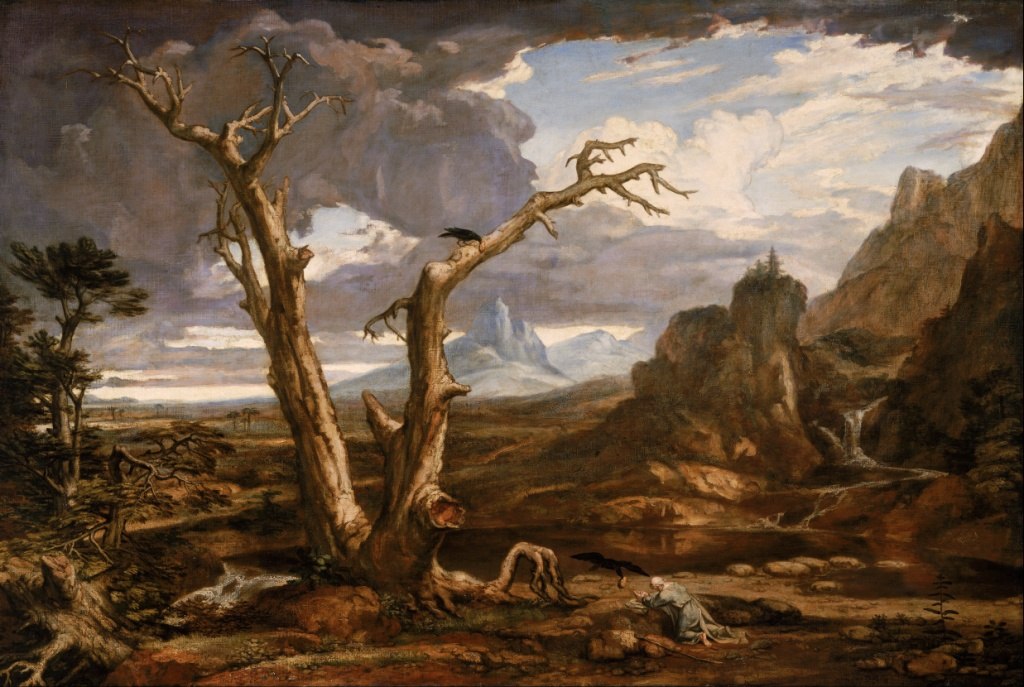
David was brutally honest with himself, and he felt this struggle so deeply that he wrote countless Psalms on it. Strong men like Elijah despaired in the desert. Job did not accept his afflictions passively; he finally pleaded for answers from God. Even Jesus went through a period of distress and sweated drops like blood in the Garden of Gethsemane. One central factor joined them all together; their primary fear was of God leaving them.
The good news in the Gospel is that God does not expect us to be perfect. He knows our weaknesses deeply. What He wants above everything is that we abide in Him. That was the whole purpose of the sacrifice on Calvary. That was also the reason why He sent the Holy Spirit to abide in us. God is jealous not just for the sake of Himself but also for our sakes. His plans for us is not just so that He can be our Master, but rather, factually the best way He designed us to live.
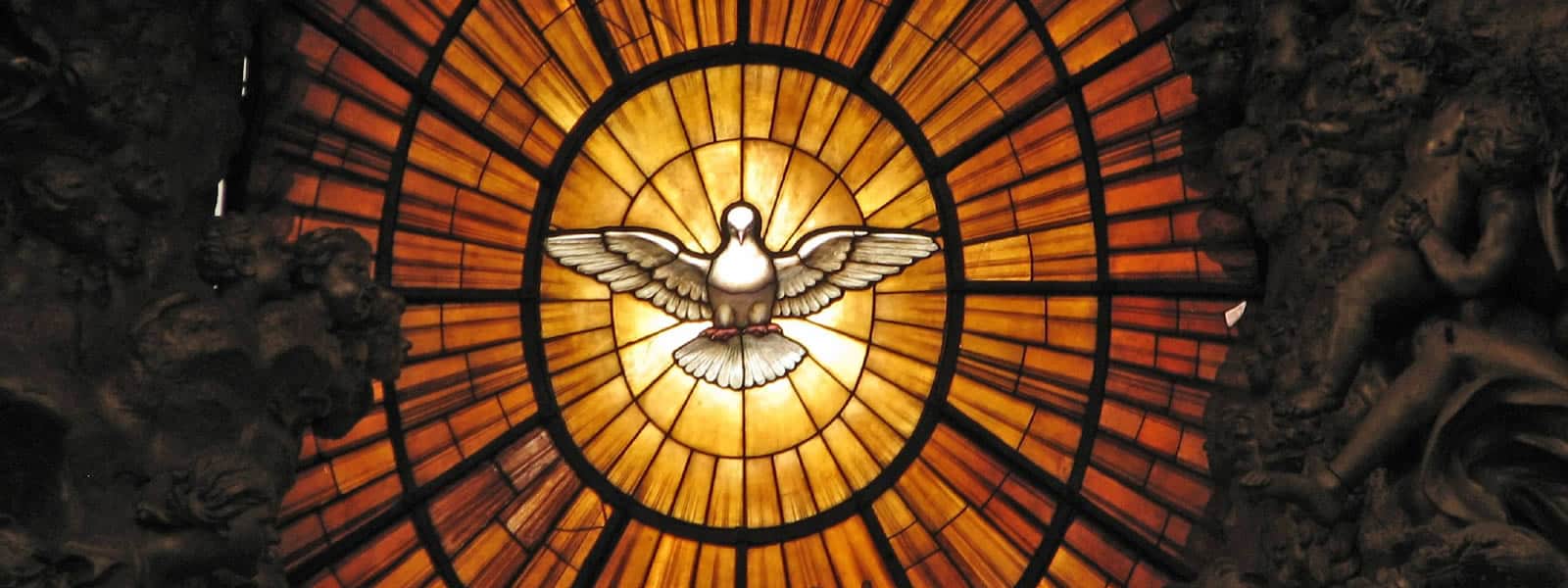
The Holy Spirit lives in us every day, sent by God to sustain and regenerate us. The Holy Spirit gives new life within and helps us to strengthen our spirit against our flesh. Through Him, we can have the power and a new nature that can free us from the dominating power that the flesh has over us. Our flesh becomes crucified and the Holy Spirit provides a new existence and guidance through life challenges and decisions.
We need to recognize that dependency is not always a bad word. We depend on our parents when we were younger just to survive. We depend on the trustworthiness of our friends, and of our bosses in our jobs. We depend on society to function according to the roles assigned to each of its members. We depend on the leadership and responsibility of leaders of nations for the well-being of a country. If we’re drowning, we depend on the lifeguard to save us.

Dependency is sometimes necessary in certain situations. Moreover it involves an important element of trust, and above all, we need to learn how to be dependent on God and trust Him wholeheartedly. We must acknowledge that we are helpless to overcome the temptations of the world apart from the empowerment of the Holy Spirit.
Secondly, we must also grasp rightly the importance of our new identities. Our comprehension of our identities would shape the way we view and handle the world. It would determine our effectiveness as God’s salt and light in this world. For ourselves, it would bring the richness of a life as a follower of Christ.

God has provided for this in so many ways. He provided His Word so that we could think and meditate upon it and strengthen our faith. Unlike earthly rulers, He grants complete access to His children and followers to approach Him personally. He provided a way for us to gather together with fellow believers so that we can build each other up, encourage one another, be counseled and discipled, and receive the communication of the Word. And in turn, He has provided ways for us to live out our faith by serving in His Kingdom.

Lest I make myself sound perfect and having all the answers, let me confess again that I am not and I do not. Being a disciple of Christ is a life-long thing, and I often take a longer time to grow than many of the people around me. For me, however, sanctification by God is a continual and progressive process, and the most important question we need to constantly ask ourselves is ‘Would I make it to the end?’. Paul’s missive to Timothy in 2 Timothy 4:7 is so powerful. It is my greatest hope for myself and for Christians of this nation.
NOTE: This reflection was guided extensively by Kenneth Erisman’s book ‘Grounded in the Faith’.
|Share The Good News|


Leave a Reply