
This article was inspired by a sermon by Dato Dr Daniel Ho
A compelling narrative exists within the early chapters of the Gospel of Matthew. Before Jesus began His ministry with teaching, healing, and the ultimate act of sacrifice made at Calvary, we journey back with the apostle Matthew to the Christ’s origins. Scripture mentions that the birth of the Messiah took place not within the settings of Jerusalem’s grandeur but within the simple surroundings of the town called Bethlehem. The scene introduces the magi who has since become well-known as the three wise men. They all came afar from the East, seeking the truth to a vision they had had for a long time.
The World Seeks Light in Unexpected Ways
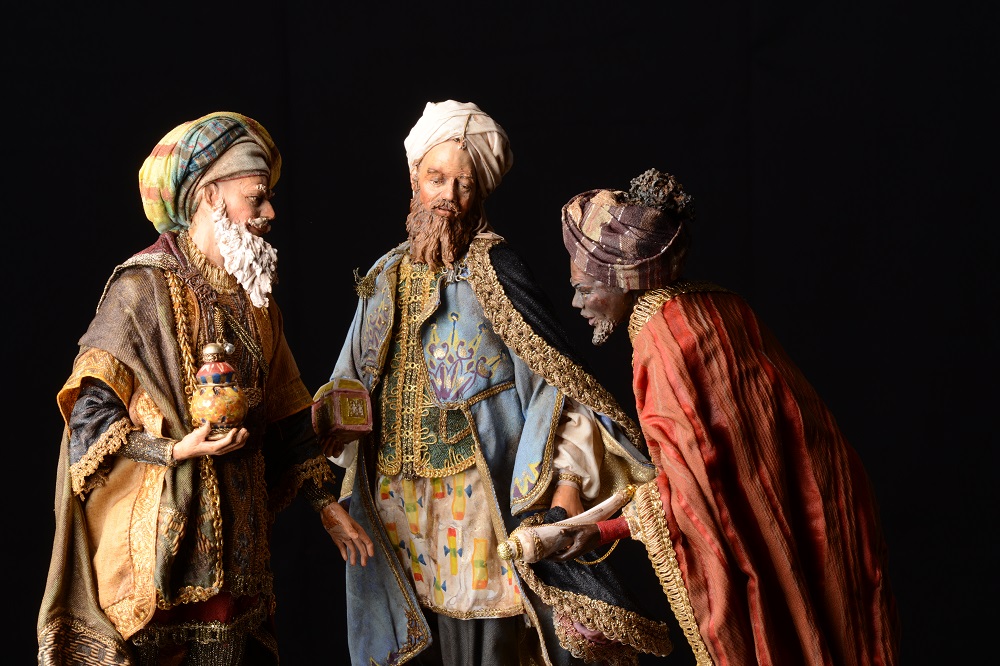
“And behold, there came wise men from the East unto Jerusalem, saying, ‘Where is he that is born king of the Jews?‘ ” Thus begins Matthew 2, the opening verse of which holds an almost humble, yet profoundly universal message that speaks to us all, no matter our backgrounds. These Magi, foreign to the Jewish culture, traveled from distant lands, stirred in their hearts by something far greater than the normal tides of their own lives, in search of that which sparkles in the darkness and burns with a light that radiates an otherworldly purpose.
This search reflects a fundamental human condition. Long before the magi, poets, philosophers, and everyday people have yearned for meaning beyond what the world offers. The magi’s journey testifies to an innate human desire to encounter the ultimate truth — a truth not merely intellectual but personal and transformative.

The Cost of Authentic Seeking
Real truth is not discovered casually. The magi (heretofore referred to as the “wise men”) traveled “from the East”, a journey that would’ve taken months, guided not by convenience, but by conviction. Their determination shows that genuine seekers do not follow truth as a hobby;. Like it was with the three wise men, they follow it as a calling. When truth calls, it asks for commitment.
This is similar in our own lives. Seeking truth can be costly. Truth has a tendency to challenge comfort zones, unsettle presuppositions, and often demands surrender. Nevertheless, like the wise men, we are invited to let go of lesser lights and follow what alone can truly illuminate our lives.

King Herod and the Temptation to Control
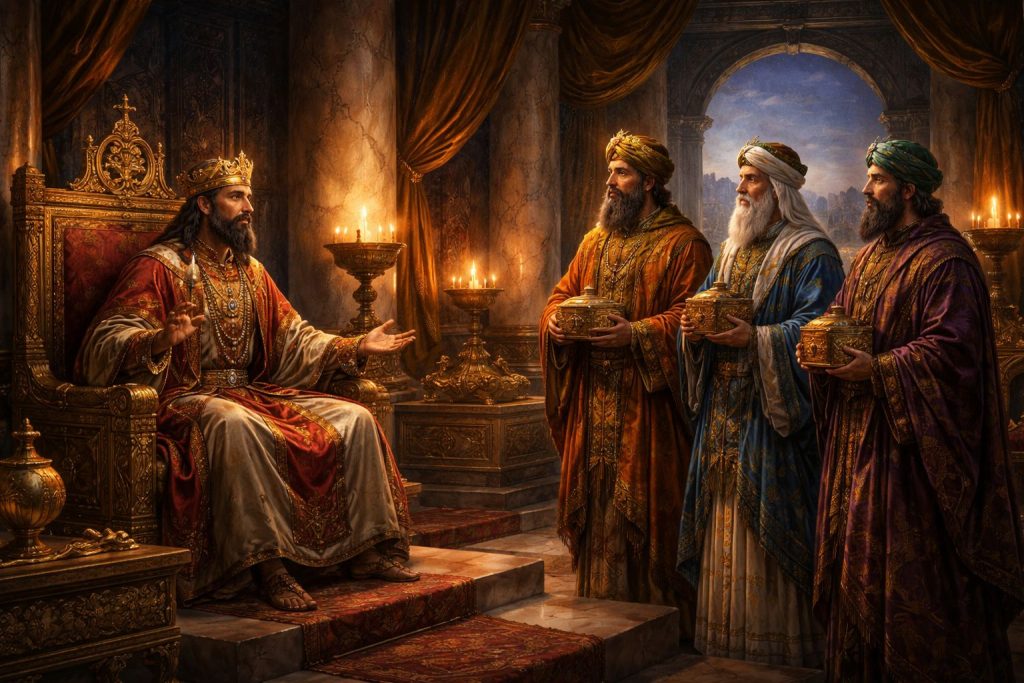
In the Jerusalem palace, the wise mens’ question about the newborn King unsettles King Herod and all of Jerusalem. Ironically, even though the wise men are foreigners searching for truth, the Jews, to whom the Messiah was promised, are depicted as perpetually unsettled by the notion of God’s arrival.
Herod’s reaction reveals one of the ways people resist truth through control. Instead of being drawn to the light themselves, he seeks to manipulate the situation for political gain. When truth confronts power and prestige, resistance is often the natural result. For Herod, the idea of a king outside his control was threatening.
The wise mens’ journey was a sharp contrast with Herod’s response. The wise men bowed to truth; Herod fears it. Those who genuinely seek God respond with humility and worship. Those who seek authority instead seek control, often at great cost. Truth doesn’t flourish in the court of control. Rather, it flourishes in hearts willing to bend the knee.
The Star: Visible Yet Mysterious
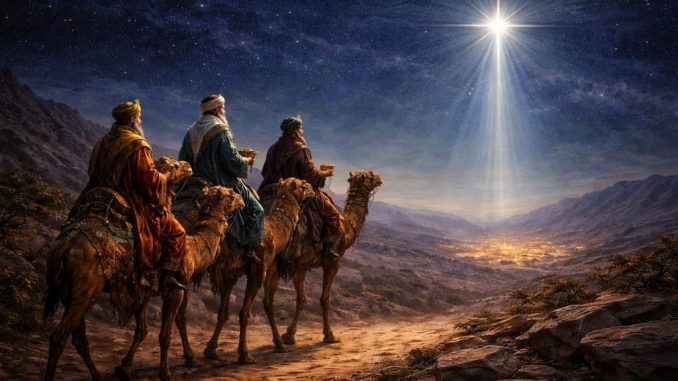
The star that guided the wise men was a compelling symbol. It was visible enough to direct them to Judea yet its significance was only understood as they pressed on. This star reminds us that seeking truth isn’t passive. It’s active. Just because something is visible doesn’t mean it’s fully understood. The wise men didn’t just see the star. They followed it. They let it lead them to Bethlehem, to a place of worship and wonder. In life, the signs of truth may be glimpsed by many, but only those who seek will experience the full revelation.
Bethlehem: The Place of True Revelation
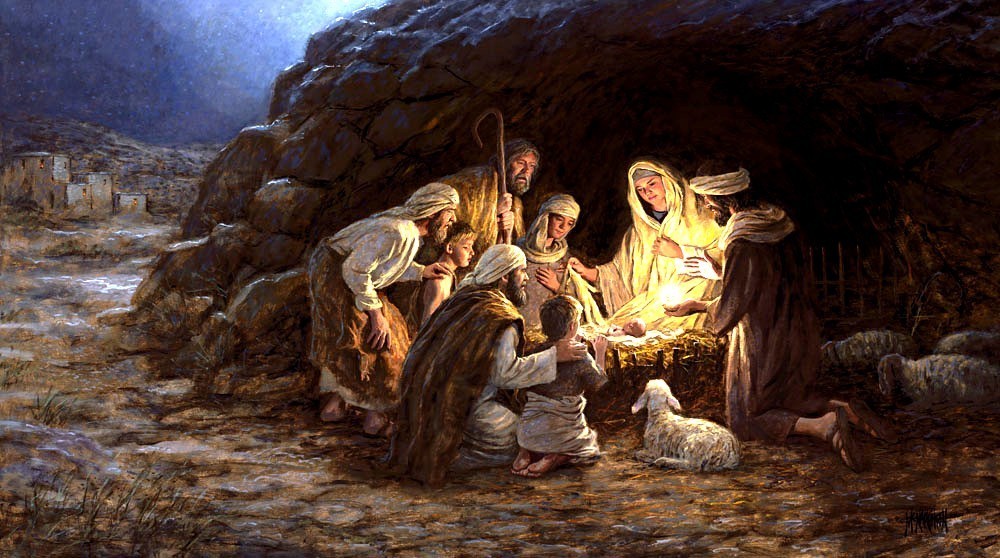
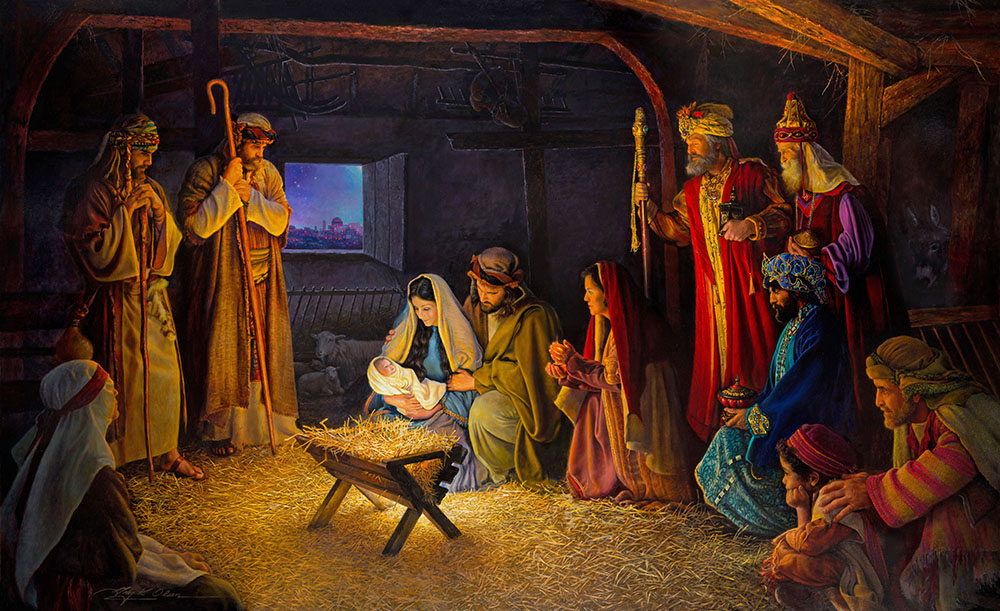
When the wise men finally see the star again, near the place where Jesus was, their journey reached its climax. They came expecting to find a king in royalty, but found instead a child in humility. Here lies the great paradox of God’s truth. The Christ-child was both magnificent and meek.
Bethlehem had been long prophesied as the birthplace of the Messiah yet it was not a place of power or wealth but a humble town. The nature of God’s truth often defies worldly expectations. Truth revealed in Jesus is not about grandeur or dominion, but rather about something deeper. The magnificence of Jesus Christ is about grace, mercy, and a love that transcends and reaches into the forgotten corners of human existence.
Worship Is the Heart of Seeking
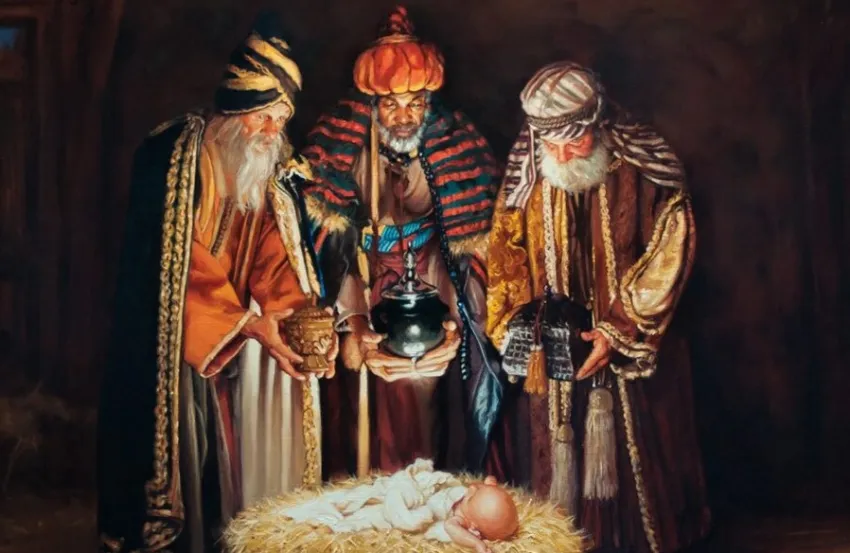
The response of the wise men reveals the heart of true seekers. Matthew tells us they “fell down and worshipped Him.” Their worship was not merely reverence; it was surrender, a humble act of recognizing one’s need for the truth that only Christ can fulfill.
Seeking God does not end with discovery. It culminates in devotion. We may come with questions, curiosities, or even doubts, but authentic seeking leads to worship and an acknowledgment that truth is not just head information but found in the Person of Jesus Christ.

A Changed Journey Home
After meeting the Christ-child, the wise men returned to their country by another route. This detail carries deep significance. Pr Daniel shared that the change of route can symbolize many things: a break from old pathways of thought, life patterns, or relationships that once defined us. Authentic seeking results in transformation. It changes us and rouses us from complacency. Encountering Jesus transforms us, changing not just our destinations, but our direction in life.
An Invitation Extended to All
The story of the wise men is much more than a historical event. It is also an invitation. As they, so might we be drawn to find the truth, regardless of where it might take us, into territories both outside and behind our zones of comfort, where we confront confusion, and with our lives laid on the altar as worship.
The season of Advent, with its notes of preparation for Christmas, is a reason for us to reflect on our own seeking. The question still persists to this day: will we seek truth with the same ardor as the wise men? Jesus Christ appears, not in a palace, but in a manger and, finally, upon a cross and through the resurrection, as the incarnation of truth itself. The seeking of Him, then, is the seeking of that which lends meaning and purpose to life, to existence, and to humanity itself.
“The Invitation to Seek Truth” calls us to more than curiosity; it calls us to transformation. It challenges us to follow the light, to renounce control, to embrace humility, and to respond in worship. Just as the wise mens’ journey led them into the presence of the King, so our genuine seeking leads us into an encounter with the heart of God Himself. May we, like them, be willing to follow the light wherever it leads, even if it means changing our direction in life and returning home by a different route.
|Share The Good News|


Leave a Reply