

Psalms 95:6-7 NIV
Come, let us bow down in worship, let us kneel before the LORD our Maker; for he is our God and we are the people of his pasture, the flock under his care.
God created us to bring Him glory and to walk in relationship with Him. In other words, we were made to worship and to build an intimate relationship with Him. Yet from the very beginning, in the Garden of Eden, humanity turned away from that purpose. Adam and Eve chose independence over intimacy, and ever since then, the human heart has repeated the same mistake – worshipping ourselves and the created world instead of our Creator.
Nevertheless, in His mercy, God’s work of redemption has always been about restoring true worship. Just as He led the Israelites out of Egypt so that they might serve and glorify Him, God now calls us, His redeemed people, to live for His glory (Ephesians 1:12) and to be a worshipping community (Hebrews 12:28). When we worship, we join the unending song that fills Heaven itself (Revelation 4:8–11). The Bible doesn’t just call us to worship – it shows us how. We are to worship God in spirit and in truth (John 4:24).
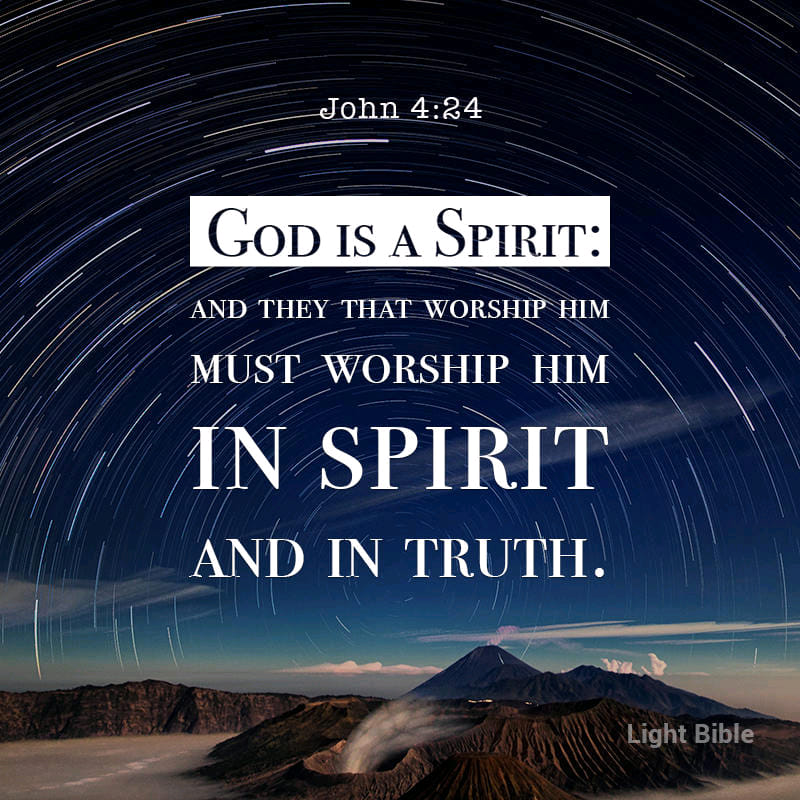
To worship in truth means worshipping God in the way He desires. Throughout Scripture, we see that God cares deeply about how His people approach Him. The stories of Aaron’s sons (Leviticus 10:1–2) and Uzzah (2 Samuel 6:5–9) remind us that careless or self-centered worship dishonors His holiness. This is why much of the Old Testament is devoted to instructions on worship such as the keeping of the Sabbath (Exodus 20:8–11), the celebration of feasts, the sacrificial system, purity laws, and the ministry of the priests. These laws were not empty rituals, and in time they pointed forward to something (someone) greater.
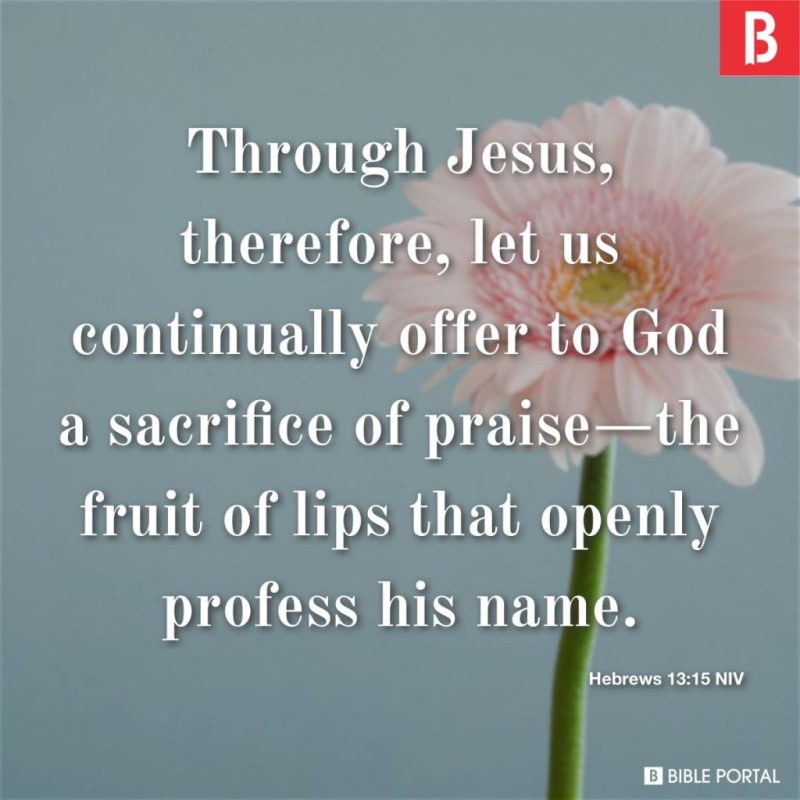
In the New Testament, that “something greater” is revealed in Jesus Christ. He fulfills and transforms all that came before. Because of Him, worship is no longer tied to a temple, sacrifices, or rituals, for these were only shadows pointing to the reality found in Christ (Hebrews 7–10). Yet this freedom does not make worship less serious. Rather, it makes worship more personal. The Sabbath becomes a time to rest and to do good; daily offerings are replaced with sacrifices of praise (Hebrews 13:15–16), and our lives themselves become living sacrifices, holy and pleasing to God (Romans 12:1).
Worship is not only about right actions. It is also about right hearts. God has always desired worship that flows from sincerity and obedience, not routine (Jeremiah 7:21–26; Hosea 8:11–13; Amos 4:4–13). Jesus echoed this when He cleared the temple and called His people back to pure devotion (Matthew 21:12–17). The apostle Paul, too, urged the early church to worship with reverence and order (1 Corinthians 11; 14:33), reminding believers to keep their hearts right before God (1 Timothy 2:8). Jesus taught that even unresolved conflict can hinder our worship (Matthew 5:23–26).
As we gather for worship once again this weekend, we must remember these same truths. Worship is not about what pleases us, but what honors God. It is not just an experience to enjoy but a response to who He is and what He has done. Every song, every prayer, every moment of quiet reverence should point us back to Christ who is the truest image of God’s glory. Additionally, worship does not end when the service does. True worship continues in our daily lives, when we love others, obey His Word, and live in gratitude and faith.
Ultimately, worship is our service to God (Deuteronomy 10:12–13). It is our response to His greatness and grace; a life lived in spirit and in truth, in word and deed. To worship Him is to fulfill our very purpose for existence, to walk once more as the people of His pasture, the flock under His care.
|Share The Good News|



Leave a Reply